Sleep Blissfully Under Canvas: Comfortable Sleep Solutions for Tent Camping
Why R-Value Matters More Than You Think
R-value measures how well your pad resists heat loss to the ground, which often steals warmth faster than the night air. Match R-value to the season, and layer a thin foam pad under an air pad for a noticeable boost on cold mornings.
Pressure Relief for Side Sleepers and Tossers
Side sleepers need extra cushion at shoulders and hips to avoid numbness by 2 a.m. Choose thicker insulated air pads or hybrid self-inflating designs. Test at home on a firm surface, then adjust inflation to reduce hotspots on the trail.
A Quiet Mind: The Third Pillar of Comfort
Even perfect gear cannot calm a racing mind. Build a bedtime ritual: dim your headlamp early, journal the day, sip warm tea, and breathe slowly. Comment with your wind-down routine so others can try it on their next campout.
Choosing the Right Sleeping Pad
Foam pads are durable, affordable, and quietly dependable in wet conditions. Though less plush, they shine as a base layer under an air pad. If you value fail-safe comfort and quick setup, consider foam your insurance policy against cold ground.
Choosing the Right Sleeping Pad
Self-inflating pads blend foam with air for reliable support and easy setup. Pure air pads offer superior thickness and pack small. If you move a lot, try a textured top to reduce squeaks. Share your favorite model for shoulder season comfort.
Sleeping Bags, Quilts, and Layering Wisdom
Understanding EN/ISO Ratings and Real-World Warmth
Bag ratings are lab guides, not guarantees. The comfort rating is the most honest benchmark for many campers. If you sleep cold, add a liner, wear dry base layers, and increase pad insulation. Tell us your go-to temperature buffer for shoulder seasons.
Mummy vs. Rectangular vs. Quilt
Mummy bags trap heat efficiently but can feel restrictive. Rectangular bags offer room to sprawl. Quilts pair beautifully with high R-value pads and let side sleepers tuck and rotate freely. Choose the style that matches your movement and climate.
Liners, Draft Collars, and Zipper Tricks
A liner adds warmth and keeps your bag cleaner, prolonging its life. Use draft collars and cinch hoods just enough to prevent cold spots. Crack the zipper slightly for moisture management. What liner fabric feels best against your skin in damp weather?
Pillows and Neck Support That Actually Work
Modern inflatable pillows can be adjusted to millimeters. Let out a breath or two to align your neck neutral. Combine with a soft cover or buff to prevent slipping. Share your inflation sweet spot and whether you pair it with a folded jacket.
Campsite Selection and Tent Setup for Better Sleep
Even a slight slope will send you sliding off your pad. Before pitching, lie down and feel for dips with your hips and shoulders. If a tilt is unavoidable, orient feet downhill. Share your best trick for leveling a site without digging.
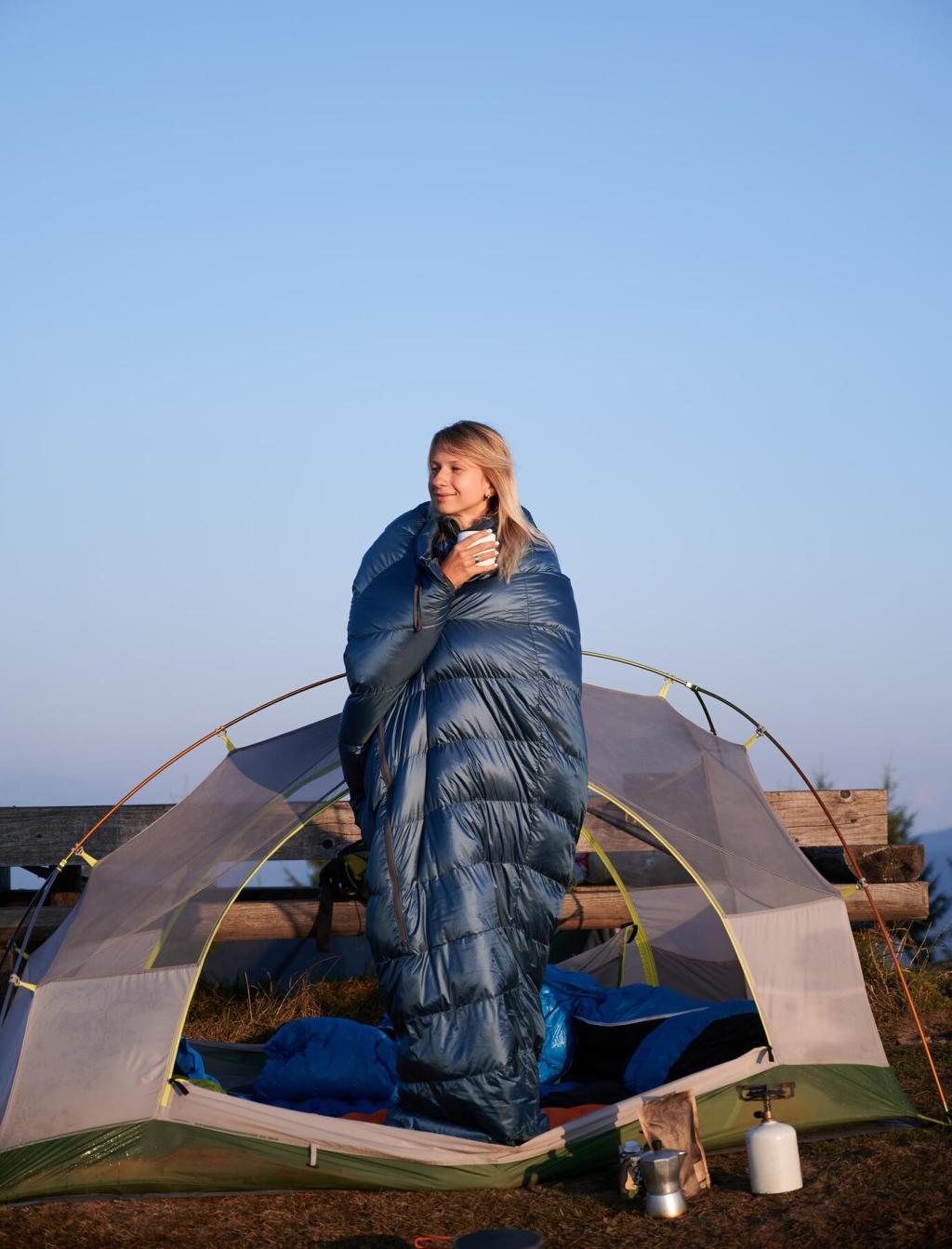
Fill a hard bottle with hot water and slip it into your bag near your core or feet. Wear dry wool socks and a lightweight beanie. These little comforts helped me sleep through a frost warning in the Adirondacks without shivering once.
Nighttime Rituals and Small Comforts That Count
Use a red light mode to preserve melatonin and avoid blasting your tentmate. Earplugs tame owl choruses and snoring. Keep zippers closed and a bug net handy. What is your must-pack item for keeping nighttime distractions under control?
Nighttime Rituals and Small Comforts That Count
Sip water steadily in the afternoon, then taper to reduce midnight exits. Avoid late caffeine and heavy meals. Five minutes of hip and hamstring stretches can transform comfort on firm pads. Comment with your favorite pre-sleep stretch routine today.