Chosen Theme: Essential Gear for Better Sleep Outdoors
Build Your Sleep System: Bag, Pad, and Pillow Working Together
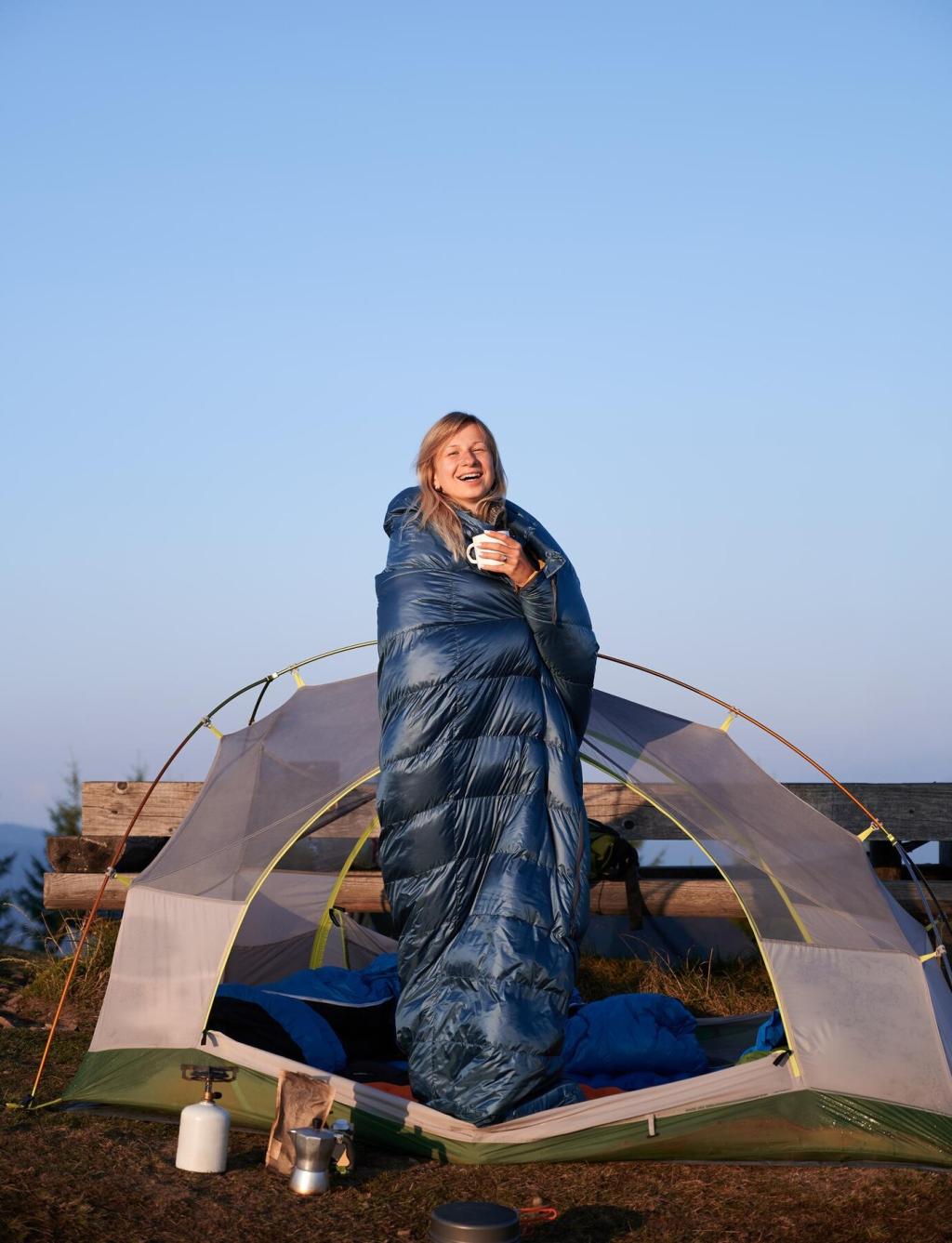
Choose a sleeping bag with a temperature rating that matches your coldest expected night, and a shape that suits you. A snug fit reduces drafts, preserves warmth, and prevents wasted insulation space that can chill you unexpectedly.
Your pad is insulation, not just a cushion. Match R-value to season and terrain. Thicker pads smooth rocky ground, while higher R-values resist conductive heat loss and keep you warm even on icy alpine benches.
A good pillow reduces neck strain and nighttime tossing. Inflatable models save weight; hybrid and foam options feel plush. Dial in height by adjusting air or layering clothing inside a soft pillowcase for personalized support.
Master Temperature Control: Insulation, Layers, and Liners
Down is lighter and packs smaller, ideal for long trips, while synthetic resists moisture and dries quickly. If nights are damp, synthetic shines. In cold, dry conditions, quality down provides unmatched warmth-to-weight efficiency for deep, uninterrupted sleep.
Master Temperature Control: Insulation, Layers, and Liners
A liner adds several degrees of warmth and keeps your bag cleaner. Silk is light and breathable, fleece boosts cozy comfort, and modern insulated liners extend shoulder-season range, bridging the gap between spring frosts and early winter chills.
Shelter and Campsite: Your First Line of Comfort
Tent, Bivy, or Hammock
Tents block wind and manage condensation well, bivies excel for minimalists, and hammocks shine in wet or rooty forests. Match your system with proper pads or underquilts to avoid cold spots and stay comfortable all night long.
Choosing the Right Ground
Pick slightly elevated, well-drained ground away from gullies. Clear sharp sticks and stones. Orient the tent door away from prevailing wind. A few minutes of site prep prevents aches and surprising puddles at three in the morning.
Moisture Management: The Hidden Key to Warmth
Use a dry bag or liner for your sleeping bag and clothing. Separate wet layers immediately after hiking. This ritual keeps critical sleep gear dry, prevents mildew odors, and guarantees your warmest items are ready when twilight falls.
Block wind-flap, river rush, and campsite whispers with soft earplugs, and darken early dawn with a light mask. These ounce-sized add-ons can extend your sleep cycles and help you wake relaxed, not startled or groggy.
Warmth Helpers and Camp Rituals
A hot water bottle at your core or feet works wonders. Gentle stretches loosen trail-tight muscles. A calming tea ritual signals bedtime, turning your shelter into a quiet, familiar refuge even when storms circle overhead.
Foot Care and Clean Socks
Dry, clean sleep socks are magic. Massage sore feet, apply a dab of balm, and slip into dedicated socks. Warm, happy feet reduce midnight fidgeting and help you fall asleep faster after long, rocky miles.
On a clear Sierra night, temperatures tanked below forecast. The backup closed-cell foam under an inflatable pad stopped conductive heat loss. That simple layer meant steady warmth, steady sleep, and a sunrise coffee without shivers or regrets.
Field-Tested Stories: Lessons From Real Nights Outside
Care, Packing, and Longevity: Protect Your Investment
01
Storage That Preserves Loft
At home, store sleeping bags uncompressed in breathable sacks. Air pads loosely rolled with open valves reduce stress on seams. These small habits keep gear reliable, so you can trust it on remote ridgelines and coastal wind camps.
02
Repairs and Field Kits
Pack patch kits for pads, a tiny needle and thread, and seam sealer. A quick fix keeps heat in and spirits high. Share your favorite repair hacks below, and subscribe for our upcoming lightweight field kit checklist.
03
Smart Packing for Dry Arrivals
Place your sleep kit in the middle of your pack, inside a liner, away from sharp cookware. Arriving with guaranteed dry, warm gear makes setting up camp calmer and encourages a wind-down routine that leads to effortless sleep.
Tell Us Your MVP Gear
Which single item most improved your outdoor sleep? Comment with your secret pillow, pad, or liner. Your tip might become someone’s turning point on their next chilly summit bivy or breezy coastal campout.
Want timely advice as temperatures shift? Subscribe for quarterly sleep-system updates, packing lists, and honest field notes that keep your nights restful in shoulder seasons, summer monsoons, and the first crunchy frosts of fall.